Để lại lời nhắn
Nếu bạn quan tâm đến sản phẩm của chúng tôi và muốn biết thêm chi tiết, vui lòng để lại tin nhắn ở đây, chúng tôi sẽ trả lời bạn sớm nhất có thể.


Bơm chữa cháy hoạt động như thế nào? Giải thích nguyên lý hoạt động của bơm xe chữa cháy
Máy bơm chữa cháy là trái tim của hệ thống cung cấp nước trên mọi xe chữa cháy. Dù ứng phó với đám cháy công trình, sự cố công nghiệp, sự cố tại sân bay hay hoạt động chữa cháy vùng hoang dã, máy bơm chữa cháytrên một xe chữa cháy chịu trách nhiệm cung cấp nước áp suất cao đến vòi chữa cháy, súng phun chữa cháy và hệ thống bọt.Thiết kế cánh bơm ly tâm và hệ thống dẫn động PTO đảm bảo áp suất ổn định cùng lưu lượng cao, trực tiếp nâng cao hiệu quả chữa cháy hơn 40%, đồng thời giảm thời gian ứng phó xuống 3 lần. Nó có thể được gọi là người bảo vệ vô hình của các hoạt động chữa cháy và là nền tảng kỹ thuật của công tác ứng phó khẩn cấp hiện đại.
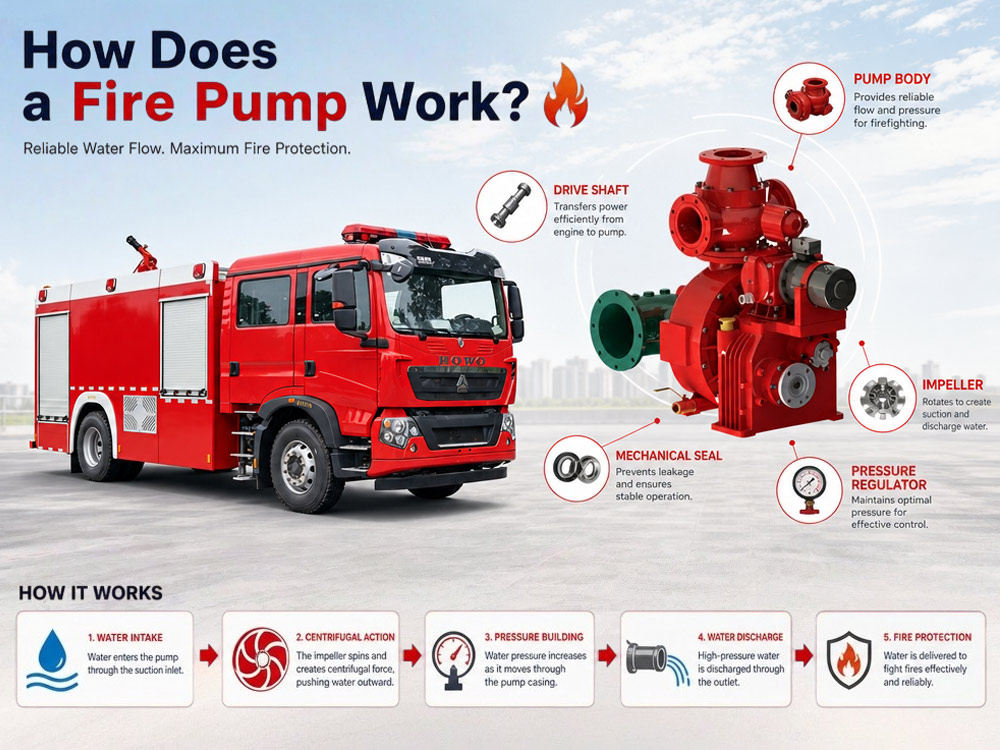
Tìm hiểu cách máy bơm chữa cháy hoạt động, bao gồm nguyên lý làm việc, các bộ phận chính, quy trình dòng nước, tạo áp suất và các ứng dụng. Khám phá cách máy bơm trên xe chữa cháy cung cấp nguồn nước đáng tin cậy cho công tác chữa cháy và cách lựa chọn máy bơm phù hợp cho phương tiện chữa cháy của bạn.Hãy cùng tìm hiểu về nó hôm nay.
1. Cánh bơm: Bộ phận quay hút nước vào và đẩy nước ra ngoài bằng lực ly tâm. Thường được làm bằng đồng, thép không gỉ hoặc gang.
2. Vỏ bơm: Vỏ chứa cánh bơm và định hướng dòng chảy của nước. Được thiết kế để chuyển đổi vận tốc thành áp suất.
3. Bộ trích công suất (PTO): Kết nối cơ khí truyền công suất động cơ từ hộp số của xe đến máy bơm chữa cháy.
1. Công suất được truyền từ động cơ thông qua PTO
Động cơ xe dẫn động PTO, bộ phận này kết nối với trục bơm. Khi người vận hành kích hoạt PTO, công suất động cơ được chuyển hướng để làm quay cánh bơm ở tốc độ cao.
2. Cánh bơm bắt đầu quay
Cánh bơm quay ở tốc độ 1.500–2.500 vòng/phút, hút nước vào bơm thông qua cửa hút. Các cánh quay tạo ra vùng áp suất thấp ở trung tâm, kéo nước từ bồn chứa trên xe, trụ nước chữa cháy hoặc nguồn nước tự nhiên vào.
3. Lực ly tâm làm tăng áp suất nước
Khi cánh bơm quay, nó đẩy nước ra ngoài bằng lực ly tâm. Vận tốc của nước tăng lên khi di chuyển từ trung tâm đến mép ngoài của cánh bơm. Sau đó vỏ bơm chuyển đổi vận tốc này thành áp suất, đẩy nước áp suất cao ra ngoài qua cửa xả.
4. Nước áp suất cao thoát ra khỏi cửa xả
Nước được tạo áp suất (thường 0,8–1,2 MPa) thoát ra qua cửa xả và được đưa đến vòi chữa cháy, súng phun chữa cháy hoặc hệ thống trộn bọt để phục vụ hoạt động chữa cháy.
Máy bơm chữa cháy có thể lấy nước từ ba nguồn:
Bồn chứa nước trên xe: Nguồn nước chính cho giai đoạn tấn công ban đầu. Dung tích điển hình: 2.000–12.000 lít. Cung cấp nước ngay lập tức khi xe đến hiện trường.
Trụ nước chữa cháy: Kết nối thông qua các ống cấp nước. Cung cấp nguồn nước liên tục cho các hoạt động kéo dài. Áp suất từ trụ nước giúp máy bơm duy trì lưu lượng.
Nguồn nước tự nhiên (hút nước): Hồ, sông, ao hoặc bể bơi. Máy bơm sử dụng hệ thống mồi để loại bỏ không khí khỏi ống hút trước khi hút nước. Độ cao hút lý thuyết tối đa ở mực nước biển: khoảng 10 mét (33 feet). Độ sâu hút hiệu quả: thường 7–8 mét.
Quy trình hút nước:
Kết nối ống hút cứng với cửa hút của máy bơm
Nhúng bộ lọc xuống ít nhất 2–3 feet dưới bề mặt nước
Kích hoạt bộ mồi để loại bỏ không khí khỏi ống và máy bơm
Tạo chân không, áp suất khí quyển đẩy nước lên
Nước lấp đầy máy bơm, sau đó bơm ly tâm tạo áp suất cho nước
Cửa hút: Nơi nước đi vào máy bơm. Kích thước điển hình: DN100–DN150. Được trang bị bộ lọc để ngăn mảnh vụn xâm nhập.
Cửa xả:Nơi nước có áp suất thoát ra. Kích thước điển hình: DN65–DN80 (các cửa xả tiêu chuẩn). Được trang bị van để kiểm soát dòng chảy đến vòi hoặc lăng phun. Nhiều cửa xả cho phép sử dụng đồng thời.
Cánh bơm:Bộ phận quay tạo ra dòng chảy nước. Chuyển đổi năng lượng cơ học thành động năng. Thường được làm bằng đồng (chống ăn mòn), thép không gỉ (bền, sử dụng lâu dài) hoặc gang (tiết kiệm chi phí cho các ứng dụng tiêu chuẩn).
Vỏ bơm:Bộ phận bao quanh định hướng dòng chảy nước. Được thiết kế để chuyển đổi vận tốc thành áp suất. Các thiết kế phổ biến: vỏ xoắn (hình xoắn ốc giúp dòng chảy êm) và vỏ khuếch tán (cho hiệu suất cao hơn).
Hệ thống mồi bơm:Loại bỏ không khí khỏi bơm và ống hút trước khi hút nước. Các loại bao gồm:
Bộ mồi chân không:Thiết kế cánh quay hoặc piston. Nhanh và hiệu quả. Phổ biến nhất trên các xe chữa cháy hiện đại.
Bộ mồi khí xả:Sử dụng khí xả động cơ để tạo chân không. Đơn giản nhưng kém hiệu quả hơn.
Bộ mồi điện:Vận hành bằng động cơ điện. Có thể mồi mà không cần bơm quay. Bảo vệ phớt cơ khí khỏi hư hỏng do chạy khô.
Van giảm áp:Ngăn ngừa tình trạng áp suất quá cao. Mở khi áp suất vượt quá giới hạn đã cài đặt. Bảo vệ ống dẫn, bơm và lính cứu hỏa.
Bộ điều tốc áp suất:Tự động duy trì áp suất đã cài đặt. Điều chỉnh vòng tua động cơ để bù cho các thay đổi về lưu lượng. Giảm khối lượng công việc của người vận hành. Có sẵn ở chế độ áp suất (duy trì áp suất đặt trước) và chế độ RPM (duy trì tốc độ động cơ đặt trước).
PTO (Bộ trích công suất):Kết nối giữa động cơ và bơm. Truyền công suất động cơ để dẫn động bơm. Xe chữa cháy thường sử dụng PTO sandwich (lắp giữa động cơ và hộp số) để đạt công suất đầu ra đầy đủ.
| Loại bơm | Ưu điểm | Ứng dụng điển hình |
|---|---|---|
| Bơm ly tâm một tầng | Lưu lượng cao, thiết kế đơn giản, chi phí hiệu quả | Xe chữa cháy đô thị |
| Bơm chữa cháy hai tầng | Áp suất cao hơn, có thể chuyển đổi chế độ | Chữa cháy nhà cao tầng, triển khai đường ống dài |
| Bơm chữa cháy đặt giữa xe | Cân bằng tốt hơn, vận hành ổn định | Phương tiện chữa cháy tiêu chuẩn |
| Bơm chữa cháy lắp phía sau | Dễ bảo trì hơn, làm mát tốt hơn | Xe chữa cháy sân bay và công nghiệp |
| Hạng mục so sánh | Bơm chữa cháy | Máy bơm nước tiêu chuẩn |
|---|---|---|
| Áp suất làm việc | Cao (0,8–2,5 MPa) | Thấp hơn (0,2–0,6 MPa) |
| Lưu lượng | Cao (1.200–6.000 L/phút) | Trung bình (500–2.000 L/phút) |
| Vận hành liên tục | Có (được thiết kế để sử dụng trong thời gian dài) | Phụ thuộc vào mẫu máy |
| Dẫn động bằng PTO | Có | Thường không |
| Tuân thủ tiêu chuẩn chữa cháy | Có (được chứng nhận NFPA, EN, GB) | Không |
| Lĩnh vực ứng dụng | Chữa cháy và cứu hộ | Cấp nước công nghiệp, nông nghiệp, dân dụng |
| Ứng dụng | Máy bơm được khuyến nghị | Lý do |
|---|---|---|
| Chữa cháy đô thị | Loại một tầng (1.200–3.000 L/phút) | Tiết kiệm chi phí, đáp ứng đủ cho hầu hết các đám cháy |
| Tòa nhà cao tầng | Loại hai tầng (2.000–4.000 L/phút) | Áp suất cao hơn để nâng nước theo chiều đứng |
| Nhà máy hóa dầu | Loại hai tầng (3.000–6.000 L/phút) | Lưu lượng lớn, áp suất phù hợp cho các đám cháy công nghiệp |
| Cứu hộ tai nạn máy bay tại sân bay | Loại lắp phía sau (4.000–6.000 L/phút) | Lưu lượng lớn, dễ bảo trì hơn |
| Chữa cháy rừng | Loại một tầng (1.000–2.000 L/phút) | Nhẹ, dễ di chuyển |
Máy bơm chữa cháy tạo áp suất thông qua lực ly tâm. Khi bánh công tác quay, nó hút nước vào tâm và đẩy nước ra ngoài với tốc độ cao. Vỏ bơm chuyển đổi dòng nước tốc độ cao này thành áp suất bằng cách làm giảm tốc độ của nước.
Các yếu tố ảnh hưởng đến áp suất:
Tốc độ cánh bơm:Quay nhanh hơn = áp suất cao hơn. Tốc độ cánh bơm tỷ lệ thuận với vòng tua động cơ.
Vòng tua động cơ:Tốc độ động cơ cao hơn = cánh bơm quay nhanh hơn = áp suất cao hơn. Người vận hành điều khiển áp suất bằng cách điều chỉnh van tiết lưu động cơ hoặc sử dụng bộ điều chỉnh áp suất.
Thiết kế bơm:Bơm hai tầng có thể đạt áp suất cao hơn bơm một tầng bằng cách sử dụng hai cánh bơm mắc nối tiếp.
Đường kính ống:Đường kính nhỏ hơn = áp suất cao hơn nhưng lưu lượng thấp hơn. Đường kính lớn hơn = áp suất thấp hơn nhưng lưu lượng cao hơn. Người vận hành phải cân bằng áp suất và lưu lượng dựa trên nhiệm vụ chữa cháy.
Nguồn nước:Nguồn cấp nước đầy đủ là yếu tố thiết yếu để duy trì áp suất. Nguồn cấp không đủ khiến áp suất giảm.
1. Bơm không mồi được
Nguyên nhân có thể: Rò rỉ khí trong ống hút, lưới lọc bị tắc, bộ mồi không hoạt động.
Giải pháp: Kiểm tra và siết chặt tất cả các mối nối của ống hút; vệ sinh lưới lọc; kiểm tra hệ thống mồi (bơm chân không hoặc bộ mồi điện) và sửa chữa nếu cần.
2. Áp suất nước thấp
Nguyên nhân có thể: Lưới lọc bị tắc, vòng tua động cơ không đủ, cánh bơm bị mòn, có không khí trong hệ thống.
Giải pháp: Vệ sinh lưới lọc; tăng tốc độ động cơ; kiểm tra độ mòn của cánh bơm và thay thế nếu cần; kiểm tra rò rỉ khí và mồi lại.
3. Hiện tượng xâm thực
Hình thành: Hiện tượng xâm thực xảy ra khi bơm không nhận đủ nước. Cánh bơm quay trong hỗn hợp nước và các bọt hơi. Khi các bọt này vỡ, chúng tạo ra sóng xung kích làm hỏng cánh bơm và gây dao động áp suất nghiêm trọng.
Cách phòng tránh: Không bao giờ vận hành bơm nhanh hơn khả năng cấp nước; theo dõi áp suất đầu vào; giảm tốc độ bơm nếu độ chân không quá cao; đảm bảo lưới lọc không bị tắc.
4. Rò rỉ nước
Các hạng mục kiểm tra: Kiểm tra tất cả phớt và gioăng; kiểm tra vết nứt trên vỏ bơm; đảm bảo các van xả đã đóng; thay thế ngay các phớt bị mòn.
5. Quá nhiệt
Nguyên nhân: Bơm chạy khô, làm mát không đủ, vận hành kéo dài mà không có dòng nước.
Mẹo bảo dưỡng: Không bao giờ vận hành bơm khi không có nước; đảm bảo các đường ống làm mát thông thoáng; để bơm nguội giữa các lần vận hành; kiểm tra van xả nhiệt thường xuyên.
» VIII. Nghiên cứu tình huống thực tế: Nâng cấp bơm của sở cứu hỏa đô thị
Bối cảnh:
Một sở cứu hỏa đô thị với đội xe chữa cháy đã cũ cần nâng cấp hệ thống bơm trên ba xe chữa cháy tuyến đầu. Các bơm hiện có gặp khó khăn trong việc duy trì áp suất khi chữa cháy tại các tòa nhà cao tầng và thường xuyên cần sửa chữa.
Thách thức:
Áp suất không ổn định ở độ cao trên 50 mét
Hút nước chậm từ các nguồn nước tự nhiên (thời gian mồi >45 giây)
Lưu lượng thấp ở áp suất cao
Thường xuyên hỏng phớt và mòn cánh bơm
Giải pháp:
Bơm chữa cháy CB10/60 (60 L/s @ 1.0 MPa)
Bộ mồi chân không điện (cải thiện tốc độ mồi)
Bộ điều chỉnh áp suất tự động (duy trì áp suất ổn định)
Phớt bơm và vòng bi được nâng cấp
Ống hút mới với lưới lọc lớn hơn
Kết quả:
| Chỉ số | Trước | Sau |
|---|---|---|
| Áp suất ở độ cao 50m | 0,6 MPa | 0,9 MPa |
| Thời gian mồi bơm | 45 giây | 18 giây |
| Lưu lượng ở áp suất tối đa | 40 L/s | 55 L/s |
| Số lần thay phớt mỗi năm | 4 | 0 |
Áp suất tăng 25%, thời gian hút giảm 35%, hiệu quả chữa cháy được cải thiện đáng kể và chi phí bảo trì giảm 60%. Đội cứu hỏa báo cáo thời gian phản ứng nhanh hơn và khả năng bơm đáng tin cậy hơn trong các vụ cháy quy mô lớn.
1. Xác định lưu lượng cần thiết
| Ứng dụng | Lưu lượng khuyến nghị |
|---|---|
| Chữa cháy đô thị | 30–60 L/s |
| Khu công nghiệp | 60–100 L/s |
| Cứu hộ sự cố máy bay tại sân bay | 100+ L/s |
| Chữa cháy rừng | 20–40 L/s |
| Tòa nhà cao tầng | 40–80 L/s |
2. Xác định áp suất cần thiết
| Ứng dụng | Áp suất khuyến nghị |
|---|---|
| Chữa cháy đô thị | 0,8–1,0 MPa |
| Khu công nghiệp | 1.0–1.2 MPa |
| Nhà máy hóa dầu | 1.2–1.4 MPa |
| Cứu hộ sự cố máy bay tại sân bay | 1.0–1.2 MPa |
| Tòa nhà cao tầng | 1.5–2.5 MPa |
3. Xem xét nguồn nước
Cấp nước từ trụ cứu hỏa:Bơm một cấp là đủ. Không cần mồi bơm.
Bồn chứa trên xe:Một cấp hoặc hai cấp. Cần mồi bơm khi hút nước.
Nước tự nhiên (hút nước):Cần bộ mồi chân không. Dùng bơm hai cấp cho độ nâng lớn.
4. Kích thước và cấu hình xe cứu hỏa
| Khung gầm | Bơm khuyến nghị |
|---|---|
| 4×2 | Một cấp, 1.200–2.000 L/phút |
| 4×4 | Một cấp, 2.000–3.000 L/phút |
| 6×4 | Hai cấp, 3.000–4.500 L/phút |
| 8×4 | Hai cấp, 4.000–6.000 L/phút |
Hỏi: Bơm chữa cháy là gì?
Đáp: Bơm chữa cháy là một loại bơm ly tâm được dẫn động bởi động cơ xe thông qua hệ thống PTO. Bơm hút nước từ bồn chứa trên xe, trụ cứu hỏa hoặc nguồn nước tự nhiên, tăng áp lực nước bằng cách quay cánh bơm và đưa nước áp suất cao đến vòi chữa cháy hoặc lăng phun để phục vụ công tác chữa cháy.
Hỏi: Bơm chữa cháy làm tăng áp lực nước như thế nào?
Đáp: Cánh bơm quay ở tốc độ cao (1.500–2.500 RPM), hút nước vào tâm và đẩy nước ra ngoài nhờ lực ly tâm. Vỏ bơm chuyển đổi dòng nước tốc độ cao này thành áp suất bằng cách làm giảm tốc độ dòng chảy. Tốc độ cánh bơm càng cao = áp suất càng lớn.
Hỏi: Bơm chữa cháy có giống bơm nước thông thường không?
Đáp: Không. Bơm chữa cháy được thiết kế cho áp suất cao hơn (0.8–2.5 MPa), lưu lượng lớn hơn (1.200–6.000 L/phút) và hoạt động khẩn cấp liên tục. Bơm nước thông thường vận hành ở áp suất thấp hơn và không được thiết kế cho việc chữa cháy hoặc hệ thống dẫn động PTO.
Hỏi: Bộ phận nào cung cấp công suất cho bơm xe cứu hỏa?
Đáp: Động cơ xe cứu hỏa cung cấp công suất cho bơm chữa cháy thông qua hệ thống Trích công suất (PTO). Khi người vận hành kích hoạt PTO, công suất động cơ được chuyển hướng để quay cánh bơm. Không cần động cơ riêng.
Hỏi: Tại sao bơm chữa cháy cần bộ mồi?
Đáp: Bộ mồi loại bỏ không khí khỏi bơm và ống hút trước khi hút nước từ hồ, sông hoặc ao. Bơm ly tâm không thể di chuyển nước nếu có không khí trong hệ thống. Bộ mồi tạo ra chân không, cho phép áp suất khí quyển đẩy nước vào bơm.
Hỏi: Sự khác biệt giữa bơm chữa cháy một cấp và hai cấp là gì?
A: Máy bơm một cấp có một cánh bơm và cung cấp lưu lượng cao ở áp suất vừa phải. Máy bơm hai cấp có hai cánh bơm mắc nối tiếp và có thể cung cấp áp suất cao hơn. Máy bơm hai cấp có thể chuyển đổi giữa chế độ lưu lượng (lưu lượng cao) và chế độ áp suất (áp suất cao).
Q: Máy bơm chữa cháy có thể hút nước từ sông không?
A: Có. Máy bơm chữa cháy có thể hút nước từ sông, hồ, ao và bể bơi thông qua một quy trình gọi là hút mồi. Bộ mồi loại bỏ không khí khỏi ống hút và máy bơm, tạo ra chân không. Áp suất khí quyển đẩy nước lên vào máy bơm. Độ cao hút thực tế tối đa: khoảng 7–8 mét.
Q: Điều gì gây ra hiện tượng xâm thực của máy bơm chữa cháy?
A: Hiện tượng xâm thực xảy ra khi máy bơm không nhận đủ nước. Cánh bơm quay trong hỗn hợp nước và các bọt hơi. Khi các bọt này vỡ ra, chúng tạo ra sóng xung kích làm hỏng cánh bơm. Xâm thực xảy ra do vận hành máy bơm nhanh hơn khả năng cấp nước, lưới lọc bị tắc hoặc độ nâng hút quá lớn.
Q: Máy bơm chữa cháy nên được bảo dưỡng bao lâu một lần?
A: Kiểm tra hằng ngày (tiếng ồn, rung động, rò rỉ), thử nghiệm hằng tuần (bộ mồi, bộ điều chỉnh áp suất), kiểm tra hằng tháng (cánh bơm, vòng bi, van xả áp), thử nghiệm toàn lưu lượng hằng năm và kiểm tra áp suất thủy tĩnh. Bảo dưỡng thường xuyên giúp ngăn ngừa các sự cố bất ngờ trong tình huống khẩn cấp.
Q: Làm thế nào để chọn đúng máy bơm chữa cháy cho xe chữa cháy của tôi?
A: Cần xem xét lưu lượng yêu cầu (dựa trên rủi ro cháy), yêu cầu về áp suất (dựa trên chiều cao tòa nhà), nguồn nước (trụ nước, bồn chứa hoặc nguồn tự nhiên), khung gầm xe chữa cháy (4×2, 4×4, 6×4, 8×4), thương hiệu và độ tin cậy của máy bơm, cùng khả năng bảo trì và hỗ trợ dịch vụ. Máy bơm phải phù hợp với công suất động cơ xe và cấu hình PTO.
Máy bơm chữa cháy sử dụng lực ly tâm để tăng áp suất nước. Cánh bơm hút nước vào và đẩy nước ra ngoài, chuyển đổi vận tốc thành áp suất.
Hầu hết máy bơm trên xe chữa cháy được cấp nguồn thông qua hệ thống PTO (Bộ trích công suất). Công suất động cơ được truyền lại cho máy bơm, không cần động cơ riêng.
Nước có thể đến từ các bồn chứa trên xe, trụ nước hoặc nguồn nước mở. Việc hút nước từ nguồn tự nhiên cần có bộ mồi để loại bỏ không khí khỏi ống hút.
Hệ thống mồi loại bỏ không khí trước khi hút nước từ các nguồn nước tự nhiên. Bộ mồi chân không là loại phổ biến nhất, trong khi bộ mồi điện cung cấp khả năng bảo vệ cho các phớt cơ khí.
Hiệu suất máy bơm phụ thuộc vào lưu lượng, áp suất, kích thước cánh bơm và công suất động cơ. Việc lựa chọn máy bơm phù hợp với nhiệm vụ chữa cháy là rất quan trọng.
Bảo dưỡng đúng cách (hằng ngày, hằng tuần, hằng tháng, hằng năm) giúp cải thiện độ tin cậy và tuổi thọ sử dụng. Kiểm tra thường xuyên giúp ngăn ngừa các sự cố bất ngờ trong tình huống khẩn cấp.
Hiểu rõ cách vận hành máy bơm giúp người mua lựa chọn đúng thông số kỹ thuật cho xe chữa cháy. Máy bơm phải phù hợp với khung gầm, PTO và các yêu cầu chữa cháy.


Bạn có thể quan tâm đến các thông tin sau
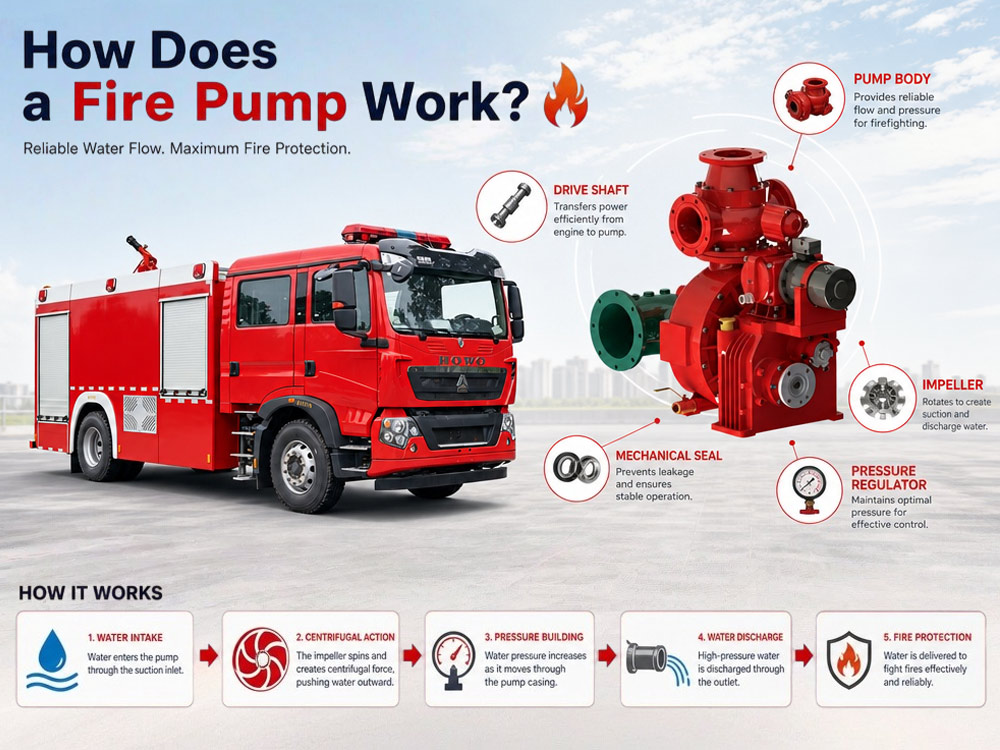
Máy bơm chữa cháy là trái tim của hệ thống cung cấp nước trên mọi xe chữa cháy. Dù ứng phó với đám cháy công trình, sự cố công nghiệp, sự cố tại sân bay hay hoạt động chữa cháy vùng hoang dã, máy bơm chữa cháytrên một xe chữa cháy chịu trách nhiệm cung cấp nước áp suất cao đến vòi chữa cháy, súng phun chữa cháy và hệ thống bọt.Thiết kế cánh bơm ly tâm và hệ thống dẫn động PTO đảm bảo áp suất ổn định cùng lưu lượng cao, trực tiếp nâng cao hiệu quả chữa cháy hơn 40%, đồng thời giảm thời gian ứng phó xuống 3 lần. Nó có thể được gọi là người bảo vệ vô hình của các hoạt động chữa cháy và là nền tảng kỹ thuật của công tác ứng phó khẩn cấp hiện đại. Tìm hiểu cách máy bơm chữa cháy hoạt động, bao gồm nguyên lý làm việc, các bộ phận chính, quy trình dòng nước, tạo áp suất và các ứng dụng. Khám phá cách máy bơm trên xe chữa cháy cung cấp nguồn nước đáng tin cậy cho công tác chữa cháy và cách lựa chọn máy bơm phù hợp cho phương tiện chữa cháy của bạn.Hãy cùng tìm hiểu về nó hôm nay. » I. Trước tiên, chúng ta cần biết ba bộ phận chính của hệ thống máy bơm chữa cháy: 1. Cánh bơm: Bộ phận quay hút nước vào và đẩy nước ra ngoài bằng lực ly tâm. Thường được làm bằng đồng, thép không gỉ hoặc gang. 2. Vỏ bơm: Vỏ chứa cánh bơm và định hướng dòng chảy của nước. Được thiết kế để chuyển đổi vận tốc thành áp suất. 3. Bộ trích công suất (PTO): Kết nối cơ khí truyền công suất động cơ từ hộp số của xe đến máy bơm chữa cháy. » II. Sau khi biết các bộ phận chính, nguyên lý hoạt động cốt lõi của máy bơm chữa cháy như sau: 1. Công suất được truyền từ động cơ thông qua PTO Động cơ xe dẫn động PTO, bộ phận này kết nối với trục bơm. Khi người vận hành kích hoạt PTO, công suất động cơ được chuyển hướng để làm quay cánh bơm ở tốc độ cao. 2. Cánh bơm bắt đầu quay Cánh bơm quay ở tốc độ 1.500–2.500 vòng/phút, hút nước vào bơm thông qua cửa hút. Các cánh quay tạo ra vùng áp suất thấp ở trung tâm, kéo nước từ bồn chứa trên xe, trụ nước chữa cháy hoặc nguồn nước tự nhiên vào. 3. Lực ly tâm làm tăng áp suất nước Khi cánh bơm quay, nó đẩy nước ra ngoài bằng lực ly tâm. Vận tốc của nước tăng lên khi di chuyển từ trung tâm đến mép ngoài của cánh bơm. Sau đó vỏ bơm chuyển đổi vận tốc này thành áp suất, đẩy nước áp suất cao ra ngoài qua cửa xả. 4. Nước áp suất cao thoát ra khỏi cửa xả Nước được tạo áp suất (thường 0,8–1,2 MPa) thoát ra qua cửa xả và được đưa đến vòi chữa cháy, súng phun chữa cháy hoặc hệ thống trộn bọt để phục vụ hoạt động chữa cháy. » III. Máy bơm chữa cháy lấy nước từ đâu? Máy bơm chữa cháy có thể lấy nước từ ba nguồn: Bồn chứa nước trên xe: Nguồn nước chính cho giai đoạn tấn công ban đầu. Dung tích điển hình: 2.000–12.000 lít. Cung cấp nước ngay lập tức khi xe đến hiện trường. Trụ nước chữa cháy: Kết nối thông qua các ống cấp nước. Cung cấp nguồn nước liên tục cho các hoạt động kéo dài. Áp suất từ trụ nước giúp máy bơm duy trì lưu lượng. Nguồn nước tự nhiên (hút nước): Hồ, sông, ao hoặc bể bơi. Máy bơm sử dụng hệ thống mồi để loại bỏ không khí khỏi ống hút trước khi hút n...
Chi tiết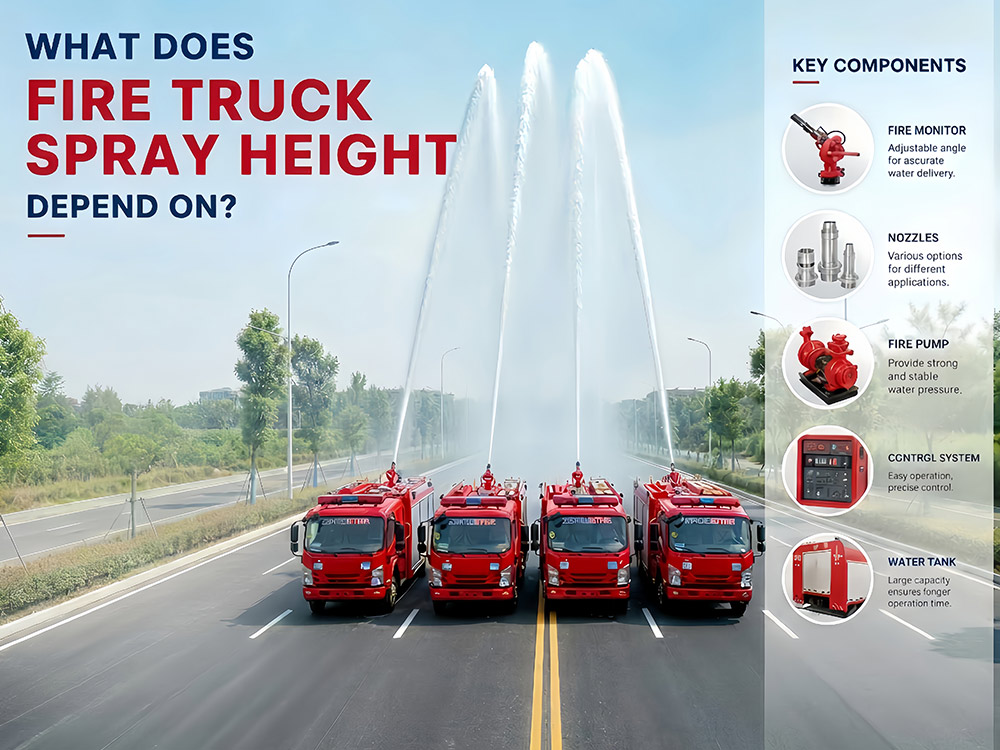
Hệ thống bơm và phun của xe chữa cháy là bộ phận cốt lõi trong hoạt động chữa cháy. Nó đóng vai trò như "cánh tay mạnh mẽ" của xe chữa cháy. Bằng cách chuyển đổi công suất động cơ thành áp suất (từ 0,8 đến 1,4 MPa), hệ thống này đưa chất chữa cháy lên độ cao tới 85 mét — dù đó là đám cháy tại tòa nhà cao tầng ở trung tâm thành phố đông đúc hay cháy bồn chứa hóa dầu trong khu công nghiệp, xe chữa cháy phụ thuộc vào hệ thống này để đạt được hiệu quả dập lửa. Những yếu tố nào ảnh hưởng đến độ cao phun của xe chữa cháy, và áp suất bơm, lưu lượng, cùng vòi phun chữa cháy phối hợp với nhau như thế nào? Đây là những vấn đề được nhiều khách hàng quan tâm. Hãy cùng tìm hiểu hôm nay. » I. Ba bộ phận chính quyết định độ cao phun 1. Hệ thống bơm chữa cháy: Trái tim của xe chữa cháy. Bơm ly tâm được dẫn động bởi PTO. Các cấp áp suất phổ biến: 0,8 MPa, 1,0 MPa, 1,2 MPa, 1,4 MPa. Lưu lượng từ 2.000 đến hơn 5.000 L/phút. 2. Vòi phun chữa cháy: Bộ phận cuối cùng trước khi chất chữa cháy rời khỏi xe. Có các loại vòi phun nước, vòi phun bọt và vòi phun hai chức năng. Dòng PL (PL48) có lưu lượng lên tới 4.000 L/phút và độ cao phun hơn 70 mét. 3. Hệ thống dẫn truyền: Đường ống, ống dẫn và đầu phun đưa chất chữa cháy từ bơm đến vòi phun. Đường kính ống, chiều dài và loại đầu phun đều ảnh hưởng đến độ cao phun cuối cùng. » II. Các yếu tố cốt lõi quyết định độ cao phun 1.1. Áp suất bơm Áp suất bơm của xe chữa cháy là lực do bơm chữa cháy tạo ra để đẩy chất chữa cháy qua ống dẫn và phun ra từ đầu phun hoặc vòi phun. Đây là yếu tố chính quyết định cả lưu lượng và khoảng cách phun. Áp suất cao hơn tạo ra vận tốc lớn hơn tại đầu ra của vòi phun, trực tiếp làm tăng độ cao phun. Mối quan hệ này được biểu diễn bởi công thức H ≈ P/(ρg), trong đó mỗi lần tăng 0,1 MPa sẽ thêm khoảng 10 mét độ cao theo lý thuyết — nhưng tổn thất thực tế sẽ làm giảm giá trị này. Trong hoạt động chữa cháy thực tế, các phạm vi sau được áp dụng: Áp suất bơm Độ cao phun điển hình 0,8 MPa 35–45 mét 1,0 MPa 45–55 mét 1,2 MPa 55–70 mét 1,4 MPa 70–85 mét 1.2. Cách thức hoạt động của bơm chữa cháy: Bơm thường là bơm ly tâm được dẫn động bởi động cơ xe thông qua bộ trích công suất (PTO). Khi cánh bơm quay, nó hút chất chữa cháy vào và đẩy ra ngoài nhờ lực ly tâm, tạo áp suất để đẩy chất chữa cháy qua hệ thống xả. Áp suất định mức so với áp suất vận hành: Thuật ngữ Định nghĩa Áp suất định mức Áp suất tối đa mà bơm có thể duy trì liên tục trong điều kiện thiết kế Áp suất vận hành Áp suất thực tế được sử dụng trong quá trình chữa cháy, thường thấp hơn áp suất định mức để tạo khoảng dự phòng 2. Lưu lượng (L/phút) Lưu lượng đủ lớn quan trọng không kém áp suất. Áp suất cao nhưng lưu lượng thấp không thể cung cấp đủ chất chữa cháy để dập tắt đám cháy. Hệ thống bơm phải duy trì đồng thời cả áp suất và lưu lượng. Mối quan hệ giữa lưu lượng và độ cao phun: 2.000 L/phút → hiệu quả đối với các đám cháy đô thị 3.000 L/phút → phù hợp cho các khu công nghiệp 4.000 L/phút → yêu cầu cho các cơ sở hóa dầu 5.000+ L/phút → ...
Chi tiết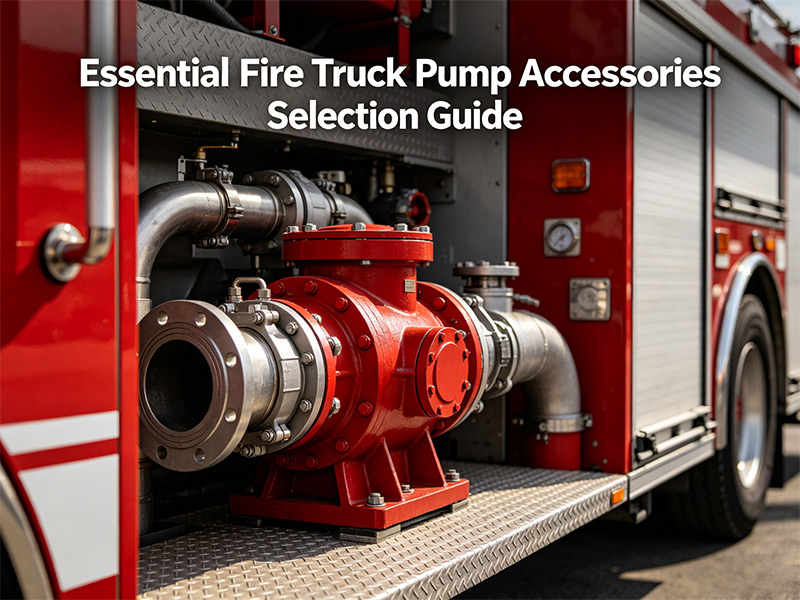
Hệ thống bơm của xe cứu hỏa chỉ đáng tin cậy khi các bộ phận cấu thành của nó hoạt động tốt. Từ việc hút nước từ nguồn đến xả nước ở áp suất cao, mọi phụ kiện đều đóng vai trò quan trọng. Hướng dẫn này bao gồm xe cứu hỏa năm nhóm phụ kiện chính: thiết bị mồi, van bi, van cầu, bộ định lượng bọt và hệ thống điều khiển thủy lực. Hiểu rõ các bộ phận này giúp lính cứu hỏa bảo dưỡng thiết bị và lựa chọn phụ kiện phù hợp cho từng ứng dụng cụ thể. I. Dòng thiết bị mồi (Thiết bị mồi chân không) Thiết bị mồi rất cần thiết để hút nước từ hồ, sông hoặc các nguồn nước tĩnh khác khi không có trụ nước cứu hỏa. Chúng loại bỏ không khí khỏi bơm và ống hút, cho phép áp suất khí quyển đẩy nước vào bơm. Tổng quan sản phẩm Sản phẩm Độ chân không tối đa Điện áp Công suất Kích thước bơm phù hợp Thiết bị mồi 2 piston >85kPa 24V - Dưới 100 L/s Thiết bị mồi điện 2 piston >85kPa 24V 2.1KW Dưới 100 L/s Thiết bị mồi 4 piston >85kPa 24V - Trên 100 L/s Thiết bị mồi điện 4 piston >85kPa 24V 2.1KW Trên 100 L/s Đặc điểm chính: Thiết bị mồi điện Thiết bị mồi điện có một ưu điểm đáng kể — chúng có thể mồi bơm mà không cần bơm quay. Điều này bảo vệ phớt cơ khí khỏi hư hỏng do chạy khô. Khi thiết bị mồi tiêu chuẩn yêu cầu bơm phải quay, phiên bản điện hoạt động độc lập, giúp kéo dài tuổi thọ phớt. II. Dòng van bi (Điều khiển dòng chảy) Van bi kiểm soát dòng nước qua các ống dẫn và cửa xả. Chúng được thiết kế để đóng/mở nhanh chóng chỉ với thao tác xoay 90° đơn giản. Van bi bằng thép không gỉ Mẫu Vật liệu Áp suất định mức Ren Vận hành FQS65/2.5 Thân & bi: thép không gỉ 304; Gioăng: PTFE 2.5 MPa G2-1/2" Tay quay / Cần gạt FQS80/2.5 Thân & bi: thép không gỉ 304; Gioăng: PTFE 2.5 MPa G3" Tay quay / Cần gạt Van bi hợp kim nhôm (Trọng lượng nhẹ hơn) Mẫu Vật liệu Áp suất định mức Ren Vận hành FQS65/2.5 Thân: A356.2; Bi: 304; Gioăng: PTFE 2.5 MPa G2.5" Tay quay / Cần gạt FQS80/1.6 Thân: A356.2; Bi: 304; Gioăng: PTFE 1.6 MPa G3" Tay quay / Cần gạt FQS65/2.5 Vuông Thân: A356.2; Bi: 304; Gioăng: PTFE 2.5 MPa - Khí nén / Cần gạt III. Dòng van cầu (Điều chỉnh áp suất & lưu lượng) Khác với van bi được thiết kế để đóng/mở, van cầu cho phép kiểm soát chính xác lưu lượng và áp suất. Chúng lý tưởng cho các tình huống cần điều chỉnh tăng giảm dần. Mẫu Vật liệu Áp suất định mức Ren Vận hành DN65/2.5 Thân: A356.2; Ty: H62; Gioăng: NBR 2.5 MPa G2.5" Tay quay DN80/2.5 Thân: A356.2; Ty: H62; Gioăng: NBR 2.5 MPa G3" Tay quay Khi nào sử dụng van cầu Sử dụng van cầu tại các điểm xả cần điều khiển áp suất chính xác, chẳng hạn như khi nạp vào bình chứa của một phương tiện khác hoặc cấp cho đường ống vòi với áp suất cụ thể. IV. Dòng thiết bị trộn bọt (Thiết bị trộn bọt) Thiết bị định lượng bọt trộn chất cô đặc bọt với nước theo các tỷ lệ chính xác. Điều này rất cần thiết để chữa cháy loại B (chất lỏng dễ cháy), nơi chỉ sử dụng nước là không hiệu quả. Thiết bị định lượng bọt thủ công / tiêu chuẩn Model Vật liệu Áp suất đầu vào Phạm vi lưu lượng Tỷ lệ trộn PH32-64 T...
Chi tiết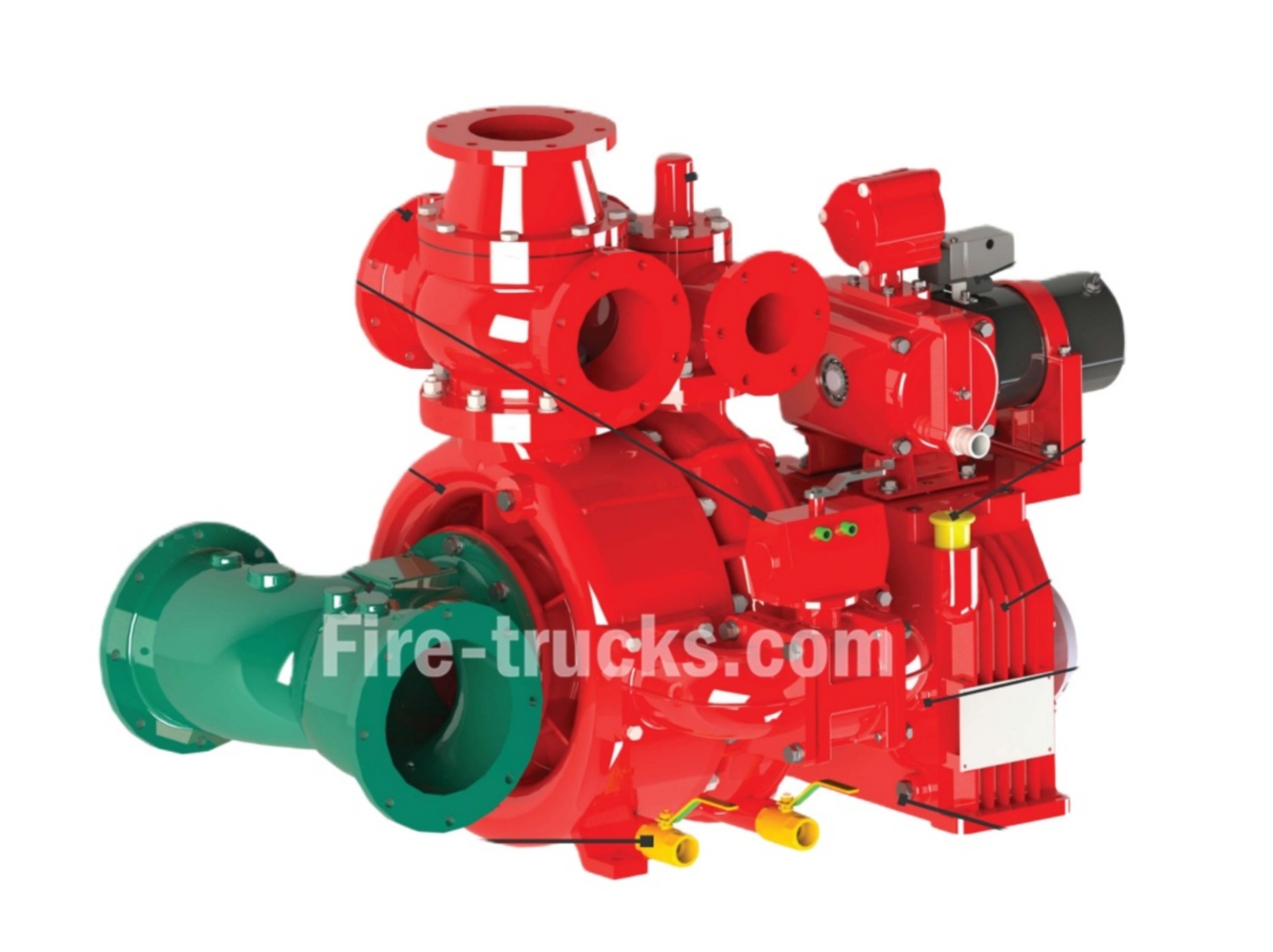
Với tư cách là một người thợ rèn chuyên nghiệp nhà sản xuất máy bơm chữa cháy ở Trung Quốc, Xe tải Powerstar Công ty sở hữu thương hiệu riêng "Xiongzhen" với dòng sản phẩm bao gồm bơm chữa cháy áp suất thấp, bơm chữa cháy áp suất trung bình thấp và bơm chữa cháy gắn trên xe áp suất cao thấp, cũng như các thiết bị hỗ trợ như vòi phun nước và máy trộn bọt. Bơm chữa cháy của công ty sử dụng các vật liệu mới như hợp kim nhôm và thép không gỉ, được trang bị thiết bị tự động ngắt ly hợp điện từ và van một chiều, mang lại hiệu suất tuyệt vời, vận hành đơn giản và bảo trì thuận tiện. Sản phẩm của công ty đã vượt qua kiểm định loại của Trung tâm Giám sát và Kiểm tra Chất lượng Thiết bị Phòng cháy chữa cháy Quốc gia, đạt chứng nhận CCC và chứng nhận hệ thống quản lý chất lượng ISO9001. Các loại máy bơm chữa cháy Xiongzhen chủ yếu bao gồm các mẫu sau: CB10/20-XZ, CB10/30-XZ , CB10/40-XZ, CB10/60-XZ , CB10/80-XZ, CB10/100-XZ, CB20.10/15.30-XZ, CB20.10/20.40-XZ, CB20.10/30.60-XZ, v.v. Bơm chữa cháy CB10/20-XZ dành cho xe cứu hỏa Bơm chữa cháy CB10/30-XZ dành cho xe cứu hỏa Máy bơm chữa cháy Model CB10/40-XZ dành cho xe cứu hỏa Trung Quốc Máy bơm chữa cháy Model CB10-60 dành cho xe cứu hỏa. Bơm chữa cháy khẩn cấp CB10/80-XZ dành cho xe cứu hỏa Bơm chữa cháy CB10/100-XZ dành cho xe cứu hỏa Thông số kỹ thuật hệ thống bơm chữa cháy xiongzhen CB10/100-XZ Nhà sản xuất máy bơm chữa cháy dòng CB của Xiongzhen Thông số kỹ thuật bộ bơm chữa cháy CB10/150 Hệ thống bơm chữa cháy CB10/160-XZ nhà máy Xiongzhen Thông số kỹ thuật máy bơm chữa cháy khẩn cấp CB10/170-XZ Xe tải Powerstar sở hữu năng lực kỹ thuật vượt trội, nắm giữ bốn bằng sáng chế, và sử dụng các thiết bị sản xuất tiên tiến như phần mềm thiết kế CAD và máy công cụ CNC để đảm bảo tỷ lệ sản phẩm đạt chất lượng cao và sự hài lòng của khách hàng. Sản phẩm của hãng chủ yếu nhắm đến các nhà máy chuyên độ xe cứu hỏa và các đội cứu hỏa. Thông số kỹ thuật chi tiết của bơm chữa cháy CB20.10 20.40 Máy bơm chữa cháy CB20.10 30.60-XZ do nhà máy Xiongzhen sản xuất. Máy bơm chữa cháy dòng CB20/15-XZ Máy bơm chữa cháy khẩn cấp dòng CB20/20-XZ Chi tiết lắp đặt bơm chữa cháy CB20 25 Dưới đây là lịch bảo dưỡng định kỳ cho đồng hồ XIONGZHEN của bạn. máy bơm chữa cháy Được phân loại theo tuần, tháng, quý và năm để dễ dàng tra cứu: 01. Kiểm tra định kỳ hàng ngày máy bơm chữa cháy Powersar: Kiểm tra áp suất và tần số khởi động/dừng của bơm ổn định áp suất. Kiểm tra công suất ắc quy khởi động của máy bơm chữa cháy động cơ diesel. Kiểm tra tình trạng bên ngoài của các van điều khiển nguồn nước và cụm van báo động xem có hư hỏng gì không. 02, Máy bơm chữa cháy Powersar Kiểm tra hàng tuần: Thử nghiệm vận hành động cơ khởi động tự động của bơm chữa cháy. Kiểm tra mức nhiên liệu của bơm chữa cháy động cơ diesel. 03, Máy bơm chữa cháy Powersar Kiểm tra định kỳ hàng tháng: Chạy thử động cơ khởi động bằng tay máy bơm chữa cháy và máy bơm chữa cháy động cơ diesel. Kiểm tra mực nước của bể chứa nước chữa cháy và bể chứa nước chữa cháy trên cao...
Chi tiết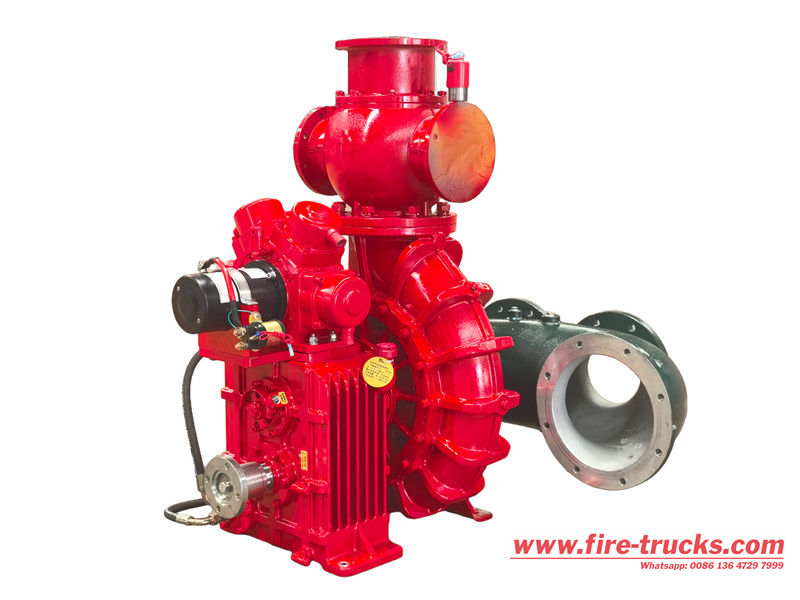
Máy bơm chữa cháy bọt CB10/140 là một hệ thống cấp nước chữa cháy thông dụng, có thể gắn trên xe hoặc đặt cố định, với áp suất định mức 1,0 MPa và lưu lượng định mức 140 L/s, đáp ứng nhu cầu cấp nước cơ bản của hệ thống chữa cháy. Thân bơm và cánh quạt được chế tạo từ vật liệu chất lượng cao, chống mài mòn, có khả năng chống ăn mòn và chịu áp suất cao. Máy có thiết kế hai đầu vào giúp chuyển đổi nguồn nước nhanh chóng và được vận hành bởi động cơ điện hoặc động cơ diesel hiệu suất cao, đạt thời gian khởi động chỉ 30 giây hoặc ít hơn. Với thiết kế nhỏ gọn, dễ bảo trì và hoạt động đáng tin cậy, máy này... Máy bơm chữa cháy bọt CB10/140 Đây là một thiết bị thiết yếu để đảm bảo cung cấp nước hiệu quả cho các hoạt động chữa cháy. Máy bơm chữa cháy gắn trên xe tải áp suất thấp CB10/140-XZ có cấu trúc ly tâm một tầng với vỏ bơm bằng hợp kim nhôm và cánh quạt bằng đồng thau. Nó sử dụng hệ thống mồi nước bốn piston điện với công tắc điện. Máy bơm tạo bọt CB10/20 tùy chọn sử dụng cơ chế tách khí nén. Sản phẩm này mang lại hiệu suất tuyệt vời, cấu trúc nhỏ gọn, vận hành đơn giản và dễ bảo trì. Máy bơm chữa cháy CB10/140-XZ là máy bơm nước ly tâm một tầng được sử dụng trong xe cứu hỏa, đặc trưng bởi thiết bị mồi hai piston tự động đóng và mở. Nó được thiết kế để hoạt động hiệu quả cao với cấu trúc nhỏ gọn, vận hành dễ dàng và bảo trì thuận tiện. Các thông số kỹ thuật chính bao gồm lưu lượng 140 lít/giây và áp suất đầu ra 1,0 MPa ở tốc độ định mức 2600 vòng/phút. » . Nguyên lý hoạt động của bơm chữa cháy bọt CB10/140 ● Lượng nước và chất tạo bọt cần dùng: Nước được lấy từ nguồn cung cấp, và chất tạo bọt đậm đặc được lấy từ bể chứa của nó. ● Phân bổ tỷ lệ: Bộ phận định lượng sẽ trộn chất tạo bọt đậm đặc với nước theo tỷ lệ đã được xác định trước. ● Tăng áp suất: Máy bơm tạo áp suất cho hỗn hợp, làm tăng vận tốc và áp suất của nó. ● Phóng điện: Dung dịch bọt chữa cháy được nén áp suất và đẩy qua ống dẫn đến vòi phun, từ đó được phun lên đám cháy. ● Dập lửa: Lớp bọt bao phủ nguồn nhiên liệu, ngăn cách nó với oxy và dập tắt đám cháy. » . Giới thiệu chi tiết về máy bơm chữa cháy bằng bọt CB10/140 1. Thiết kế kết cấu vượt trội, hiệu suất ổn định và đáng tin cậy: ● Cái Máy bơm chữa cháy CB10/140 Sản phẩm có thiết kế ly tâm một tầng và được chế tạo từ hợp kim nhôm cường độ cao, mang lại những ưu điểm như trọng lượng nhẹ, khả năng chống ăn mòn và chịu nhiệt độ cao. ● Cấu trúc bên trong của bơm được gia công chính xác, đảm bảo dòng chảy trơn tru và hiệu suất thủy lực tuyệt vời. Phớt cơ khí ngăn ngừa rò rỉ và đảm bảo độ tin cậy hoạt động lâu dài. ● Máy bơm chữa cháy này có khả năng hút và xả mạnh mẽ, phù hợp với nhiều loại xe chữa cháy cỡ trung và lớn cũng như các thiết bị chữa cháy khẩn cấp. 2. Dễ sử dụng và khả năng thích ứng cao: ♦ Máy bơm chữa cháy bằng bọt CB10/140 có thể được kết nối trực tiếp với động cơ thông qua bộ truyền động PTO (Power Take-Off), cho phép vận hành khởi động và dừng linh hoạt cũng như phản ứng nhanh chóng. ♦ Máy bơm này có khả năng tự mồi tuyệ...
Chi tiết
Hãy tiếp tục đọc, theo dõi, đăng ký, và chúng tôi hoan nghênh bạn chia sẻ ý kiến của mình.

 Mạng IPv6 được hỗ trợ

 Tiếng Việt
 English
 français
 Deutsch
 русский
 italiano
 español
 português
 Nederlands
 العربية
 日本語
日本語 한국의
한국의 Türkçe
 Melayu
 ไทย
ไทย Indonesia
  中文
中文 қазақ
қазақ Filipino
 မြန်မာ
 српски